Diaper Leaks: Tackling Stains & Odors:
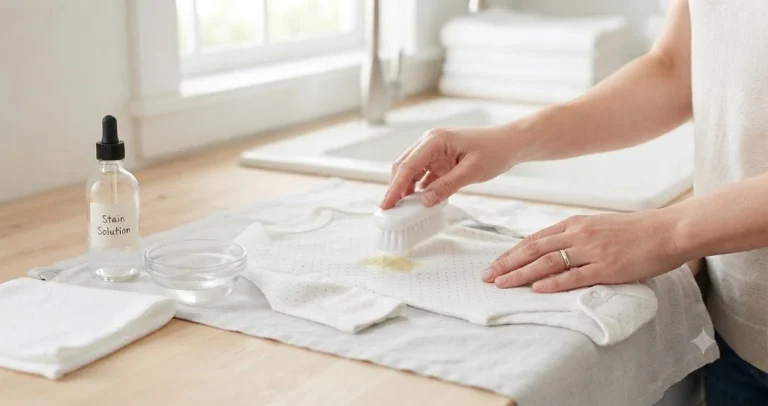
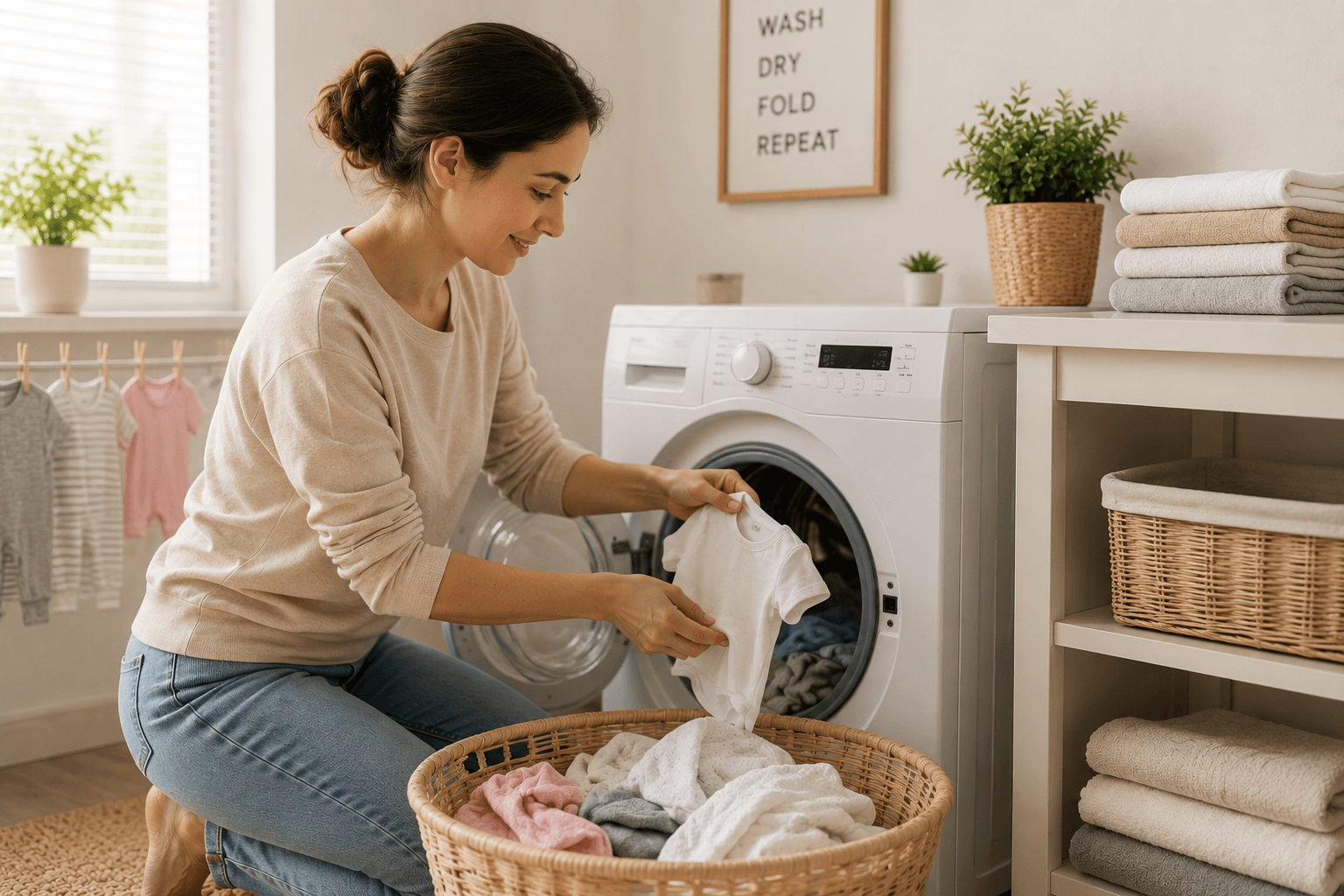
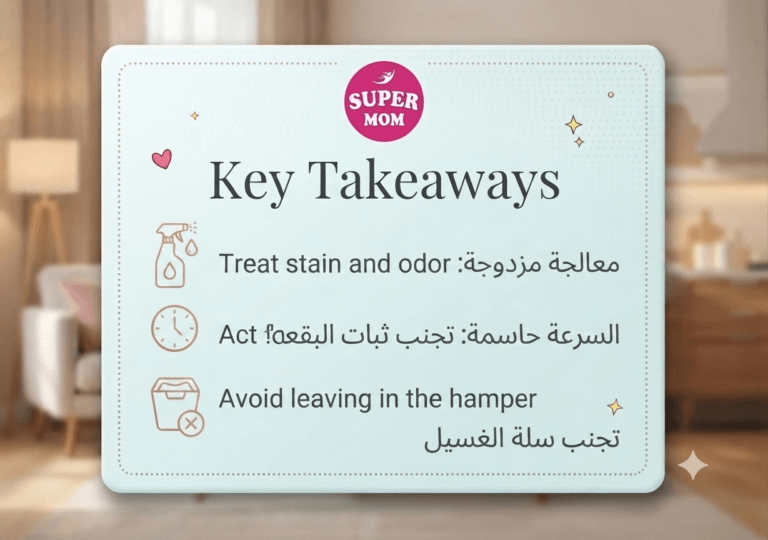
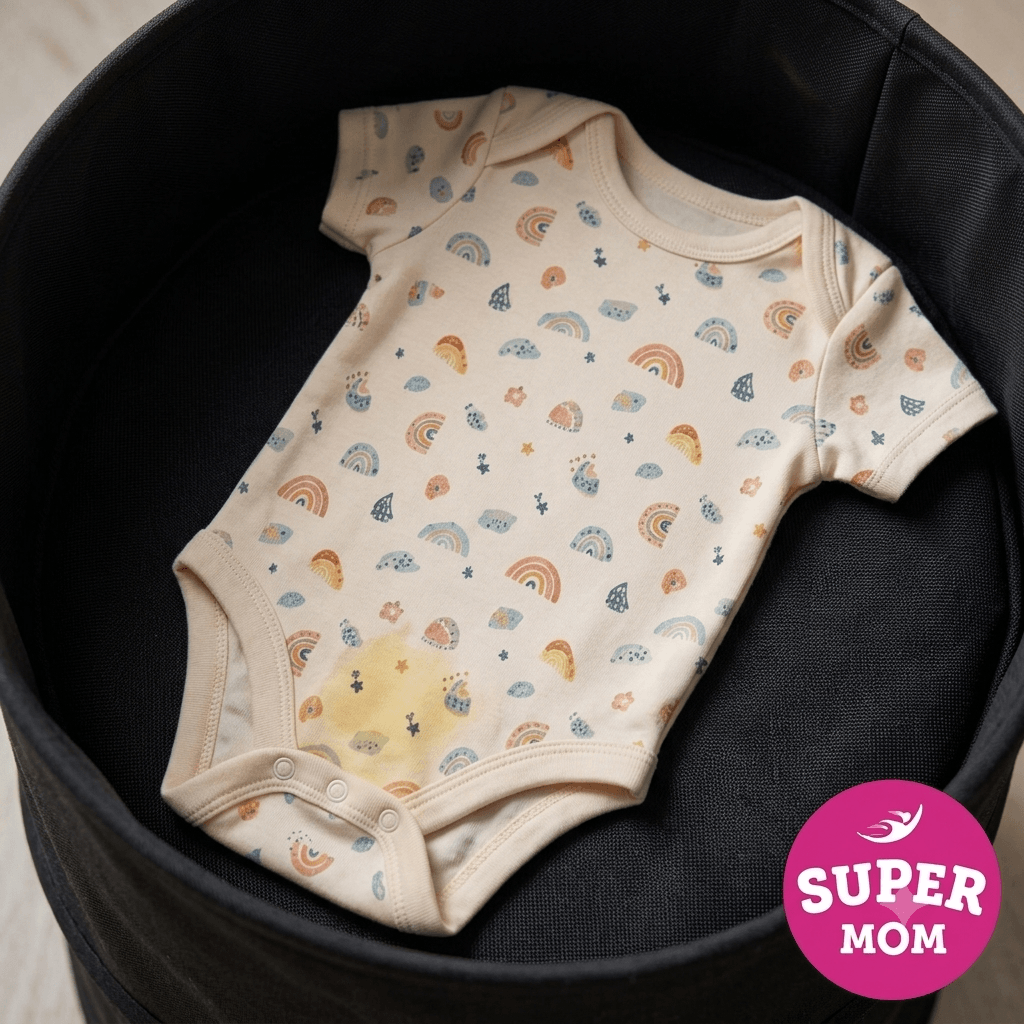
- Diaper leak stains need to be treated as both a stain problem and an odor problem at the same time, which is why they often need a slightly different approach than a simple milk stain. Treat the affected item as soon as possible rather than letting it sit in a laundry hamper, since the longer it sits, the more the stain and smell set into the fabric.
Essential Tips for Diaper Stains:
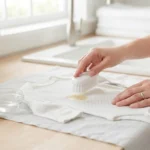
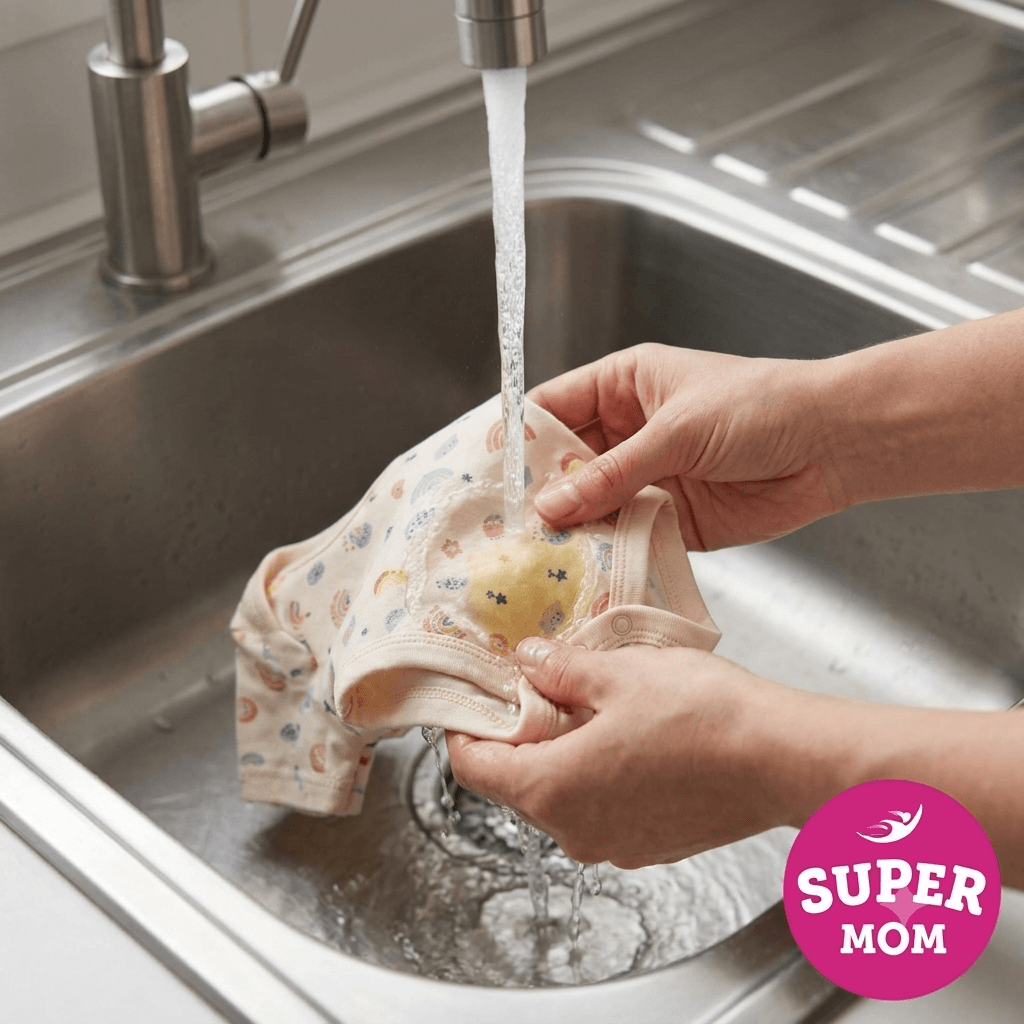
- Rinse the affected area under cold water first to remove as much as possible, then apply a stain remover formulated for this kind of stain and let it work before washing. For a significant leak, it’s worth washing the item separately from the rest of the laundry load rather than with other clothes, both to avoid any color transfer and to make sure the wash cycle is fully dedicated to clearing that one heavily-soiled item. Avoid mixing bleach with a baby-safe detergent — the two aren’t designed to work together, and bleach on its own isn’t appropriate for most baby fabrics.
Shop Now !
Keep Baby Clothes Fresh Every Wash Looking for a gentle detergent that’s tough on stains? 👉 Discover Super Mom Baby Laundry Detergent.
Facebook
Instagram
Tiktok
Browse Recent Articles
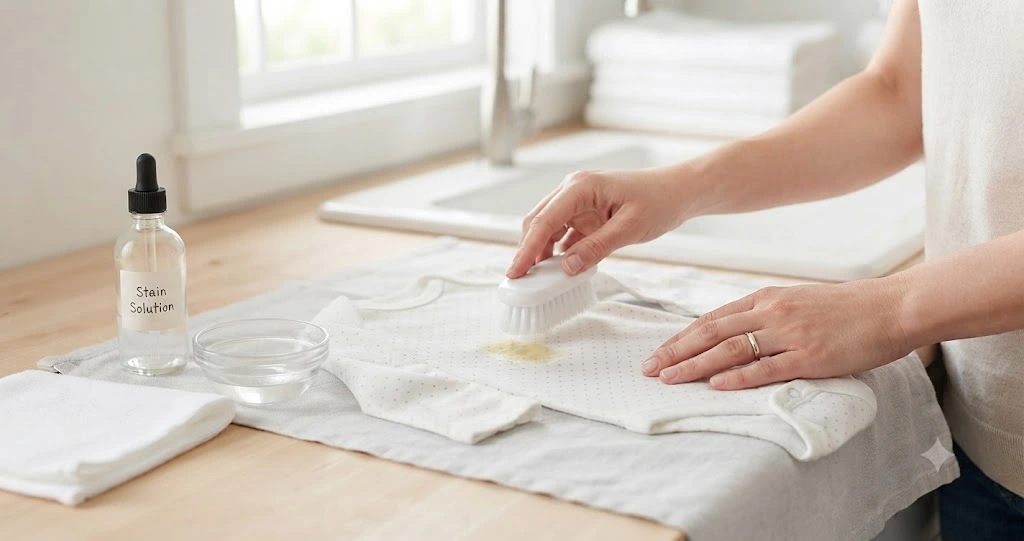
How to Remove Baby Formula Stains from Clothes (Without Damaging Fabric)
Say Goodbye to Baby Formula Stains: Effective Tips for Soft, Clean Clothes Baby formula stains may look harmless, but if they’re left to dry, they can become stubborn stains that are much harder to remove. The good news? With the right approach, you can clean baby clothes effectively while keeping …
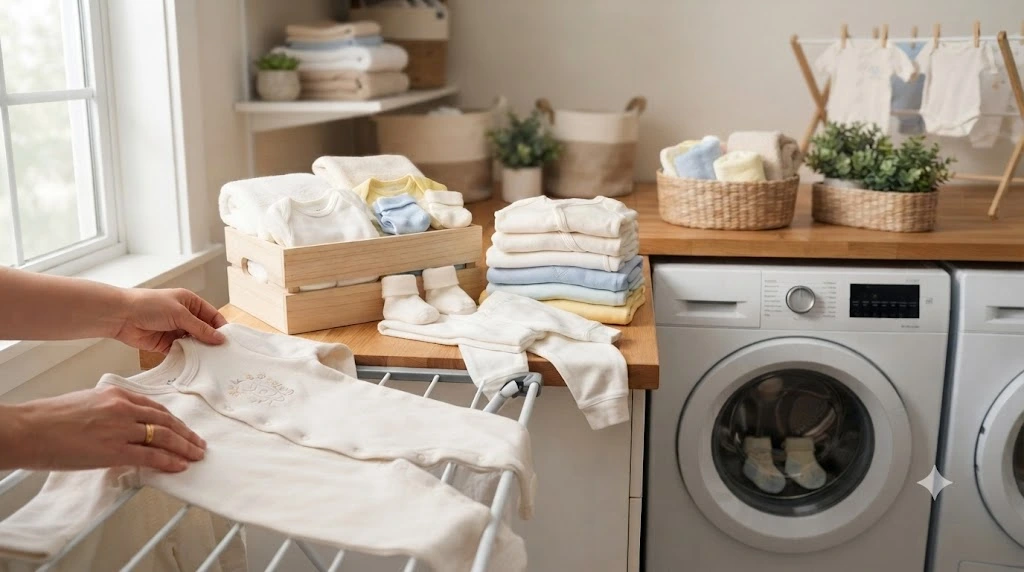
How Wash Newborn Clothes for the First Time
Why Should You Wash Newborn Clothes Before First Use? Every new item of baby clothing, blanket, and swaddle should be washed at least once before its first use—even when labeled “pre-washed.” Manufacturing dust, packaging residues, and handling during shipping can remain on the fabric, potentially irritating your baby’s sensitive skin.The …
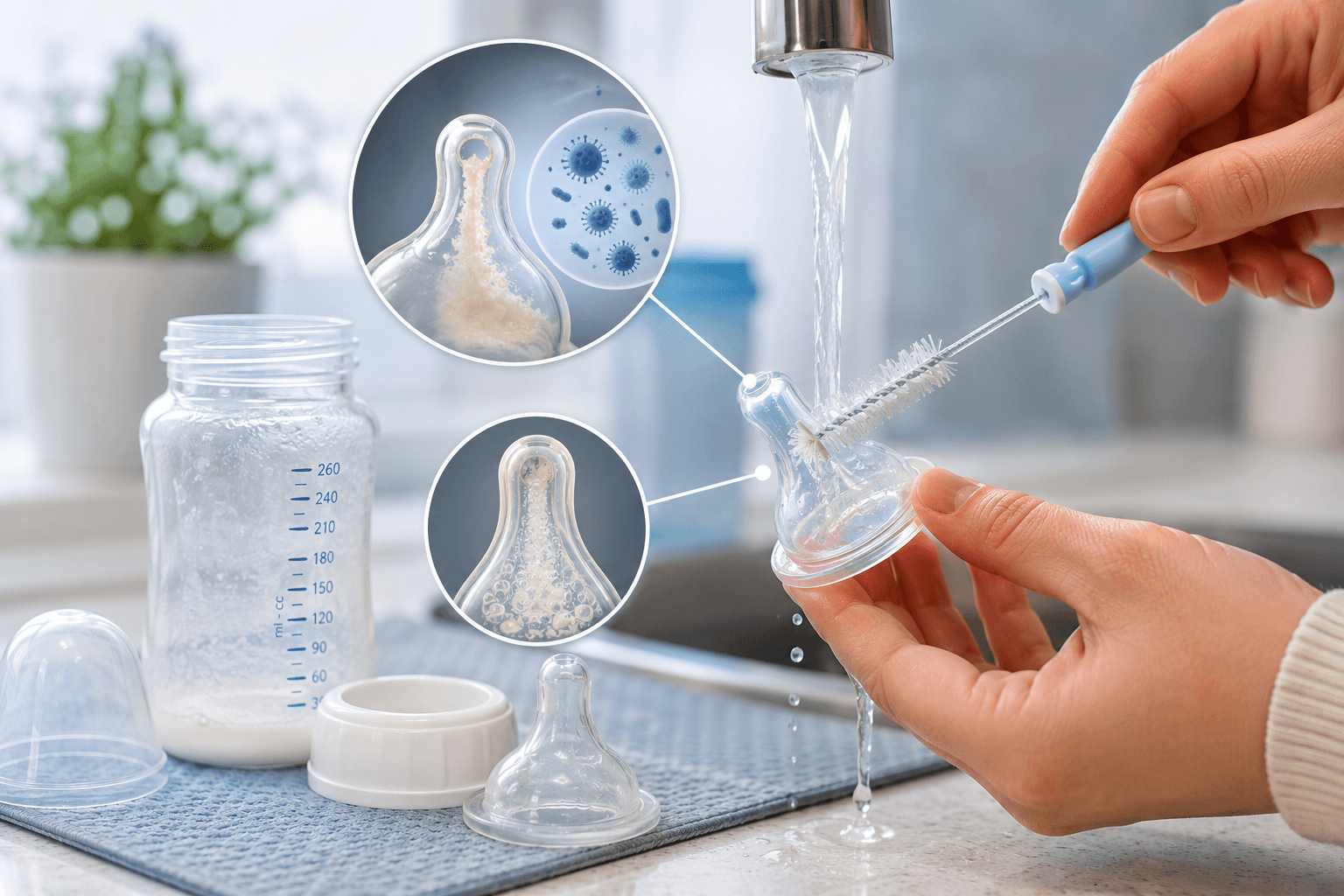
Why Bottle Nipples Are the Hardest Part to Clean Properly?
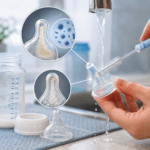
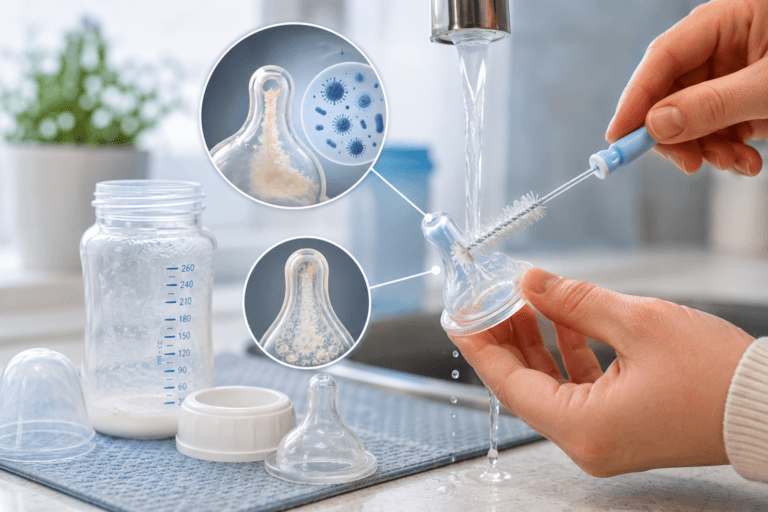
Why Bottle Nipples Need Extra Cleaning Attention Bottle nipples are the most challenging part of any feeding setup to sanitize because their soft folds and internal valves are designed to control milk flow—a design that unfortunately traps milk film that a quick rinse often misses. Unlike the smooth bottle body, …
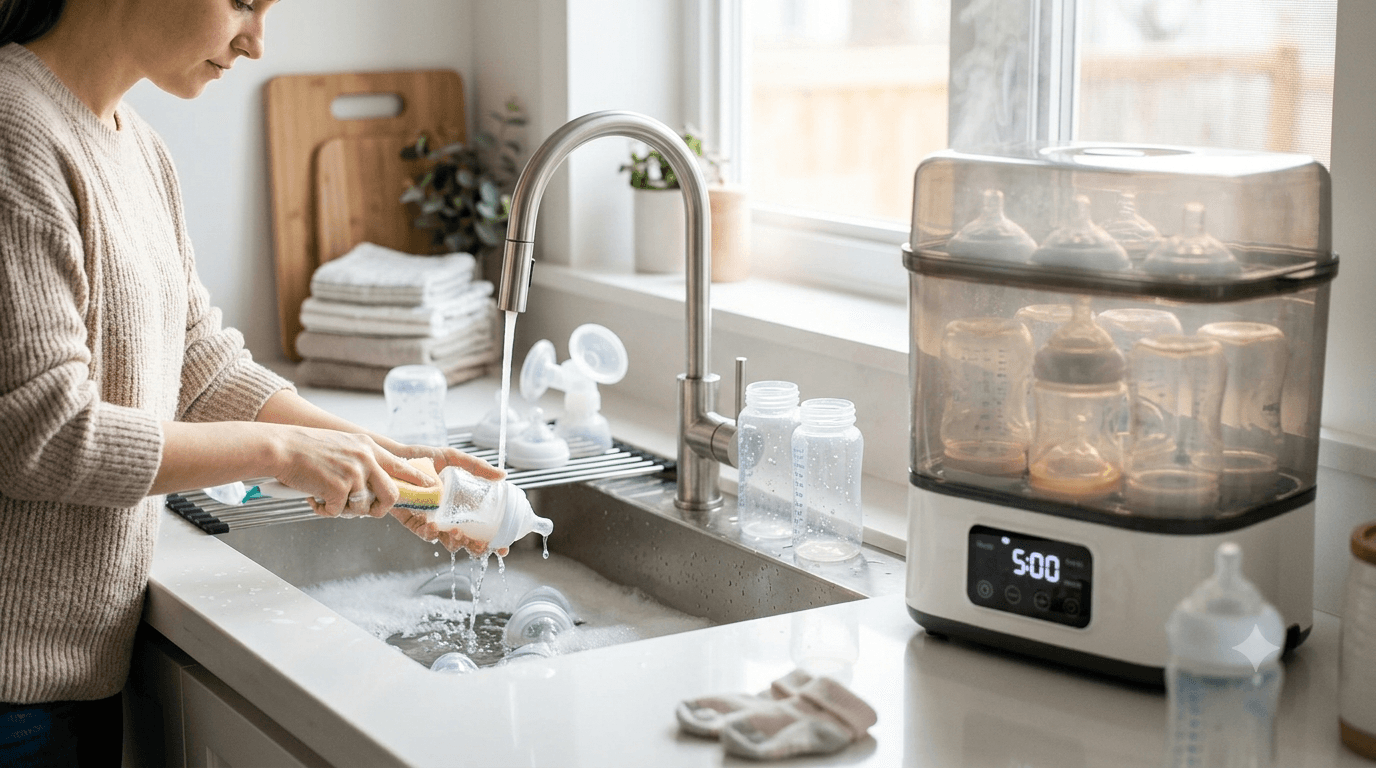
Cleaning vs. Sterilizing Baby Bottles: What’s the Difference?
Cleaning and sterilizing solve two different problems, and a newborn’s feeding equipment needs both. Cleaning physically removes milk residue, milk film, formula buildup, proteins, fats, and visible deposits from a bottle, nipple, or pump part. Sterilizing goes a step further and reduces the microorganisms — bacteria and germs — that …
Why Baby Clothes Need Laundry Detergent Than Adult Clothes
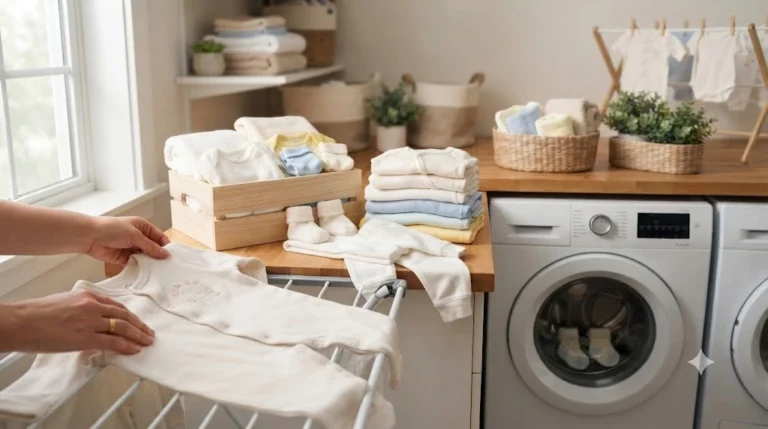
Mother cleaning baby clothes before cleaning After Cleaning The Clothes The Secret to Choosing Baby Laundry Detergent: A newborn’s skin is thinner, more sensitive, and less able to act as a protective barrier than adult skin—which is why the fragrances, dyes, and concentrated surfactants in regular laundry detergent can irritate …